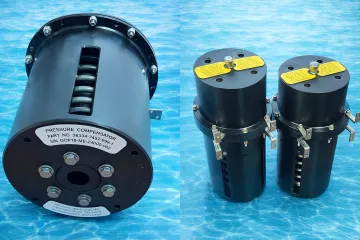
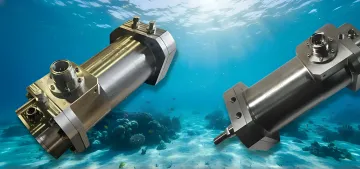
260cc Oil Compensators
- Rated to 6,000 m subsea depth
- 0.7–1 bar pressure prevents seawater ingress
- SST or Inconel spring for corrosion resistance

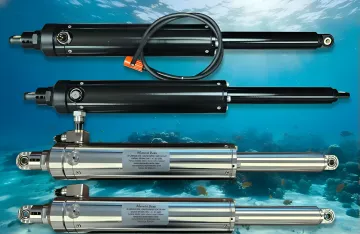
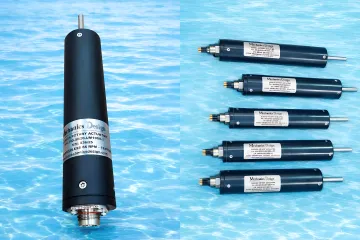
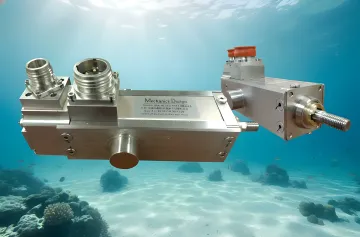
NV Mechanics Design Ltd. offers pressure-compensated underwater actuators — linear and rotary — engineered for deep-sea deployments up to 6,000m. These self-compensated systems maintain internal oil pressure to prevent seawater ingress, enabling reliable actuation in ROVs, subsea valve control, and offshore oil and gas operations.
Talk to our product experts for custom solutions.
Apply Filters
A pressure compensated pump automatically adjusts its output flow to maintain a set maximum pressure. When system pressure reaches the compensator's set point, the pump destroke to reduce flow, preventing pressure overload. In underwater actuator systems, pressure compensation refers to maintaining positive internal oil pressure to match ambient seawater pressure and prevent ingress.
Talk to our experts for custom solutions and tailored guidance.
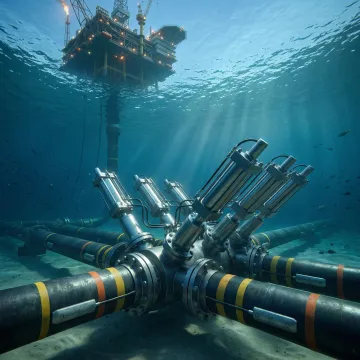
Subsea valve actuation and pipeline control in deep offshore environments up to 6,000m depth.
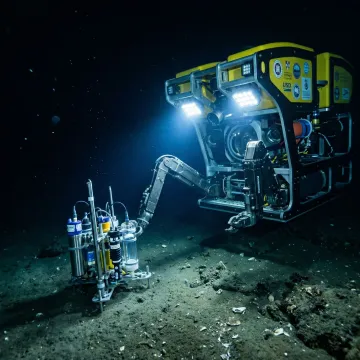
Precision actuation for oceanographic instruments, sampling systems, and deep-sea exploration ROVs.
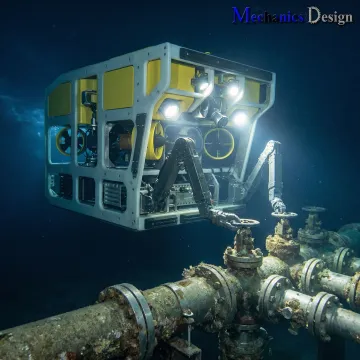
Integrated linear and rotary actuators powering manipulation arms, thrusters, and tool interfaces on ROVs.
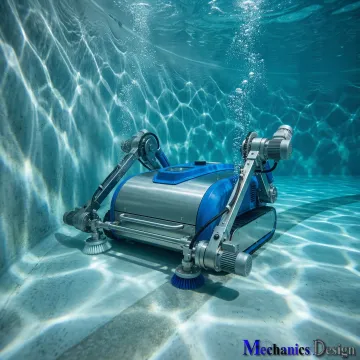
Underwater robotic cleaning systems using pressure-compensated actuators to service potable water tanks without draining.
Talk to our experts for custom solutions and tailored guidance.
All actuators house logic, driver circuitry, and oil compensation internally — no external controller or pressure housing required for deployment.
Products are pressure-tested and rated for depths from 3,000 msw to 6,000m, covering the full range of commercial and research subsea operations.
30-bit absolute encoders mounted on output shafts retain exact position data between power cycles, ensuring precise and repeatable underwater actuation.
Submit your depth, force, and control requirements. Our team will respond with a matched solution and technical documentation.
For immediate assistance, feel free to give us a direct call at 1-604-250-3375.
For immediate assistance, feel free to give us a direct call at 1-604-250-3375.