Introduction
Municipal engineers and facility managers often default to familiar names like 2G Engineering without evaluating newer, purpose-built alternatives. Diver entry and tank draining still dominate many workflows — yet they bring serious safety risks, operational downtime, and escalating costs that better options now avoid.
Between 2011 and 2018, confined space incidents claimed 1,030 worker lives in the U.S. alone, with 19 fatalities occurring specifically in water or septic tanks. Traditional drain-and-clean methods compound the problem, wasting up to 100,000 gallons of water per standpipe and forcing systems offline for days.
This article lists the top 10 2G Engineering alternatives for water tank inspection and cleaning in 2026, with key differentiators, selection criteria, and a framework to match the right platform to your tank type, entry limitations, and inspection frequency.
TL;DR
- 2G Engineering alternatives for tank inspection and cleaning span ROV-based, robotic, and remote-operated platforms — each designed to reduce reliance on divers and manual processes
- Top solutions eliminate diver entry, allow tanks to remain operational during cleaning, and reduce lifecycle costs by avoiding drainage and downtime
- Selection criteria prioritize depth rating, diver-free design, certification status, and deployment flexibility
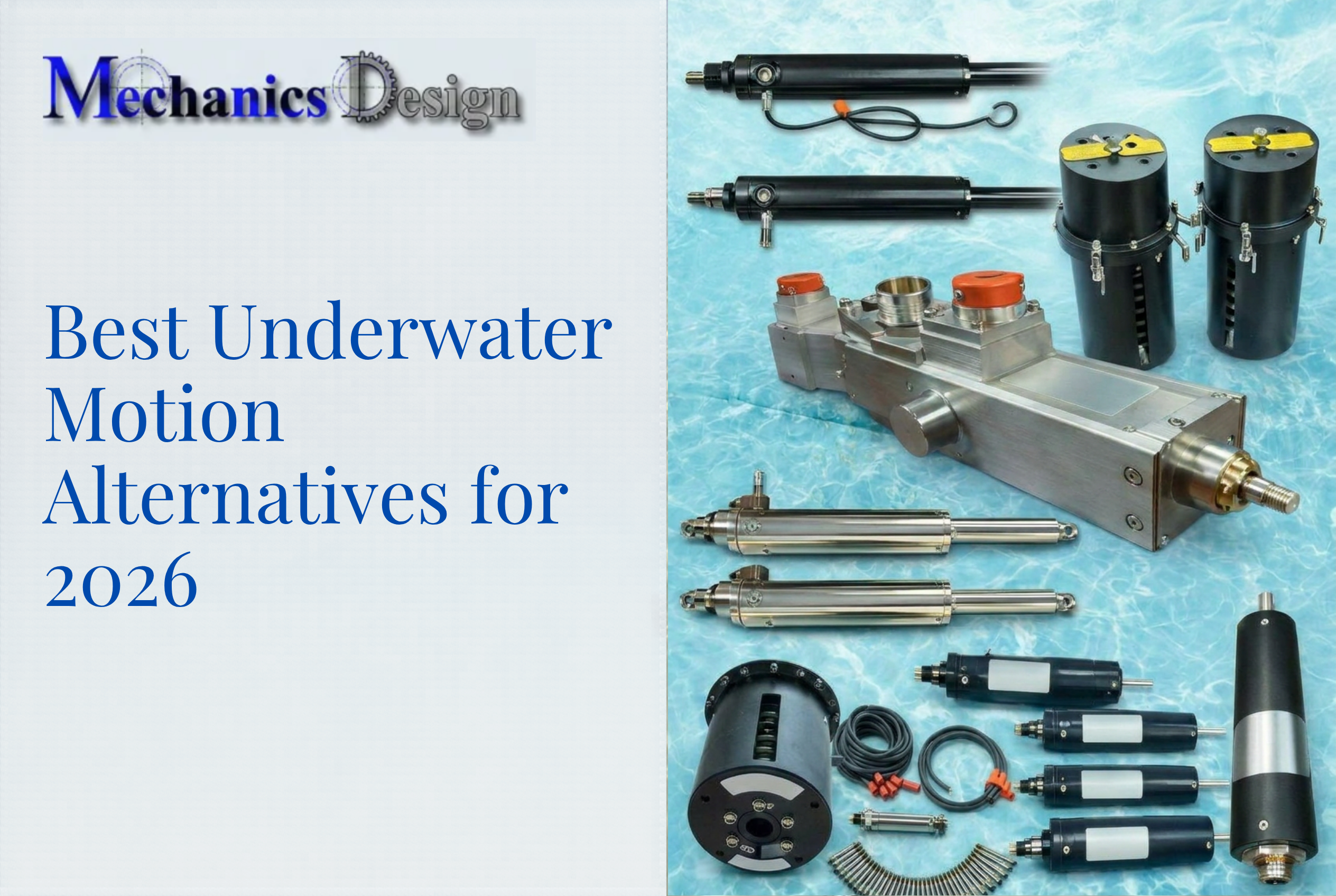
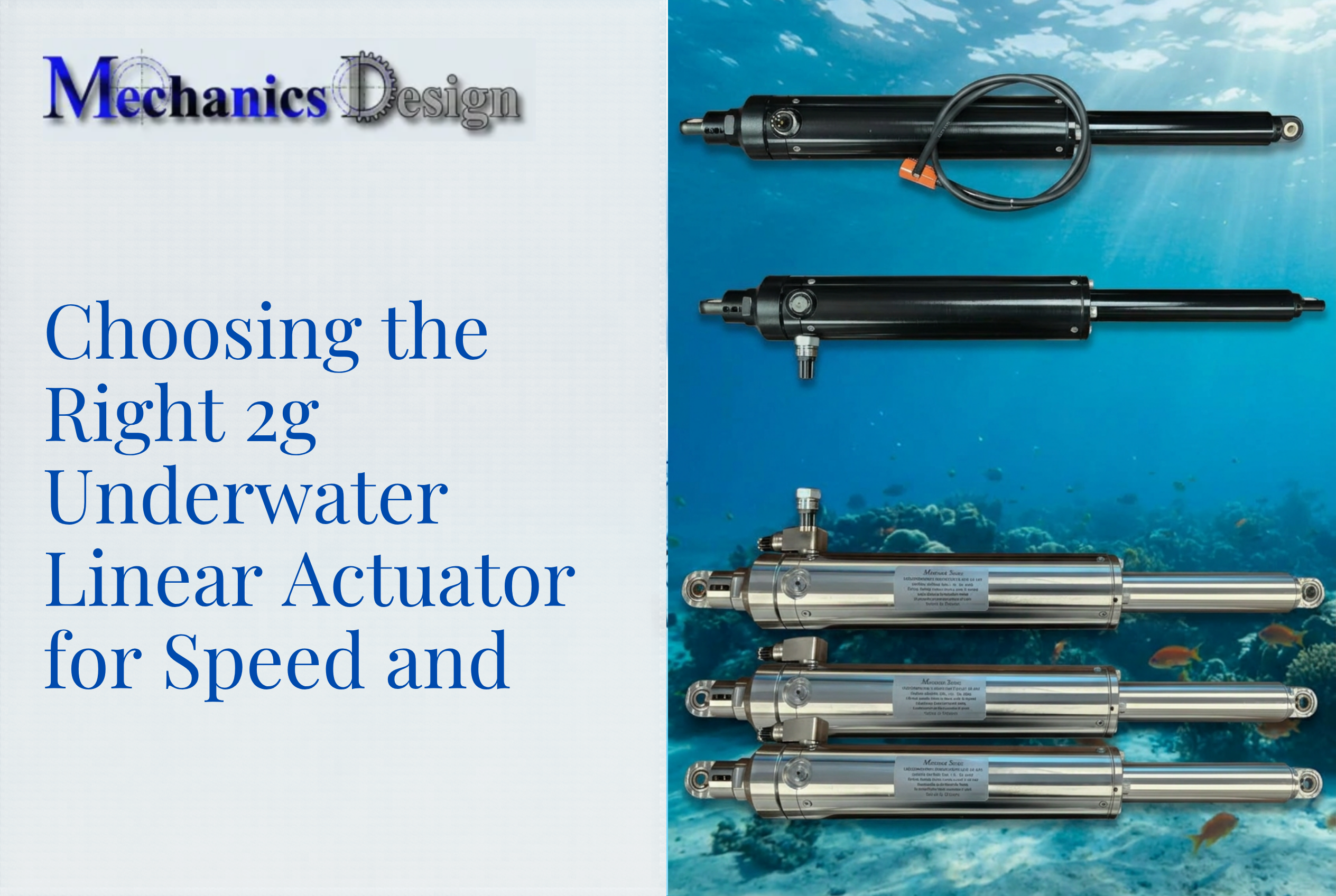
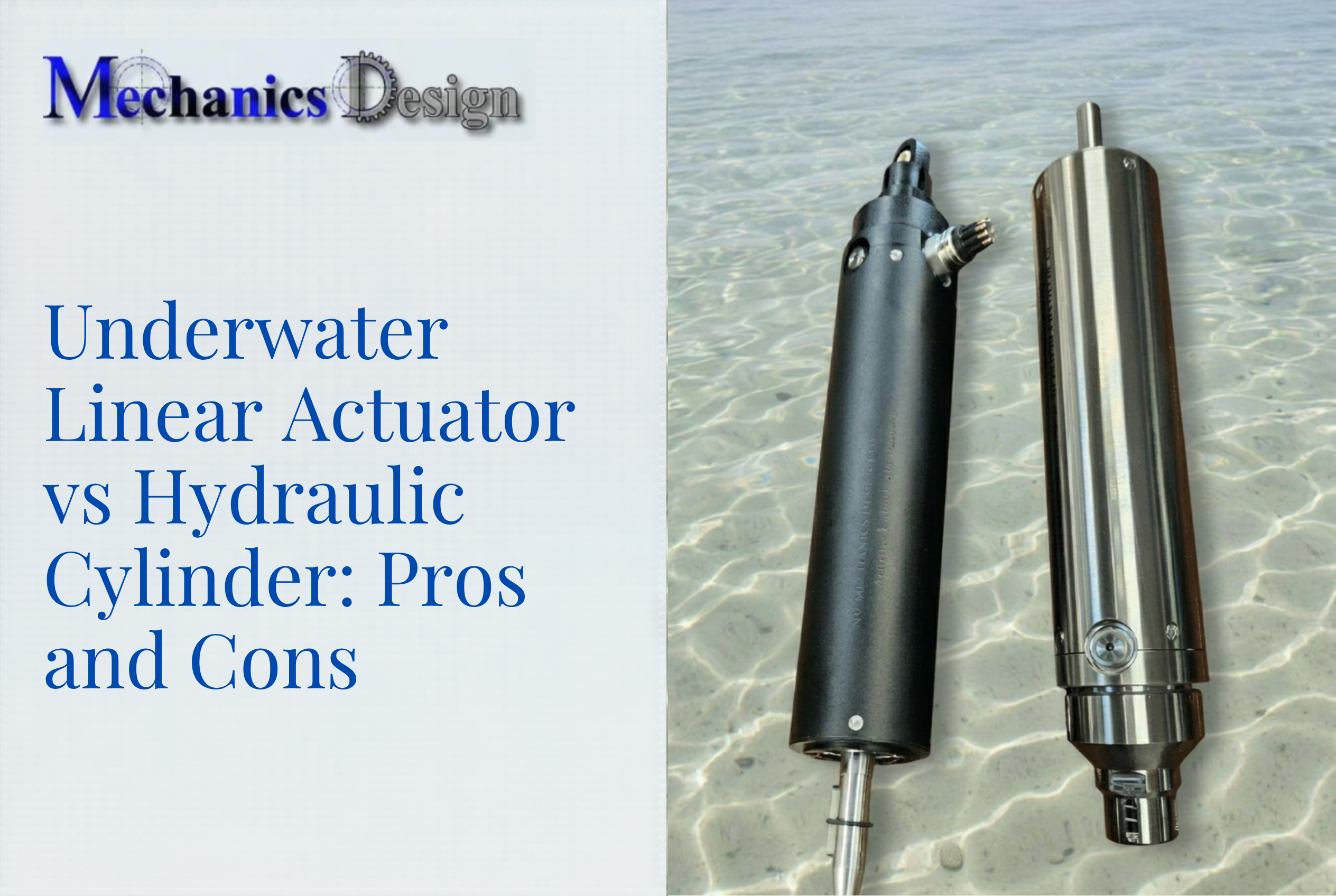
- NV Mechanics Design Ltd. offers pressure-compensated actuators rated to 3,000m depth, built for potable water tanks, industrial reservoirs, and cooling systems
Overview of 2G Engineering in the Underwater Inspection and Cleaning Market
2G Engineering is a U.S.-based manufacturer of subsea actuators, battery management systems, and power electronics for deep-sea applications—serving scientific exploration, energy systems, and marine technology markets. While not a tank inspection service provider, its subsea components are often benchmarked by engineers evaluating underwater systems.
The broader market is growing fast. Key figures from recent industry research:
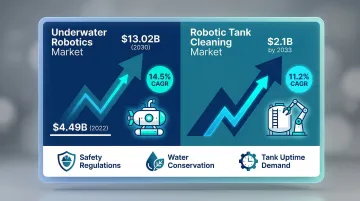
- Underwater robotics market projected to grow from $4.49B (2022) to $13.02B by 2030 — a 14.5% CAGR (USD)
- Robotic tank cleaning segment forecast to reach $2.1B by 2033 at 11.2% CAGR
- Growth driven by confined-space safety regulations, water conservation requirements, and pressure to keep tanks online during maintenance
That demand is shifting buyer priorities. Municipal engineers and industrial operators in 2026 are increasingly looking past component suppliers toward complete turnkey platforms—ROV systems built specifically for diver-free tank inspection and cleaning, with automation, safety compliance, and cost-effective deployment built in from the start.
Top 10 2G Engineering Alternatives for 2026
Selection criteria prioritize operational capability (inspection vs. cleaning), diver-free design, depth rating and pressure tolerance, client application fit (potable vs. industrial), and track record across municipal and industrial sectors.
NV Mechanics Design Ltd.
British Columbia-based robotics company delivering ROV-based systems for underwater inspection and cleaning of potable water tanks, wastewater reservoirs, and industrial cooling systems—purpose-built for diver-free, in-service operation. No drain-down. No confined-space entry.
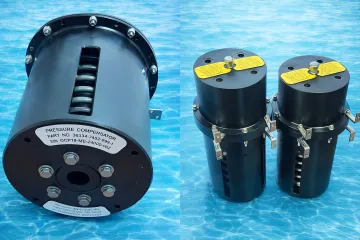
Stands out for pressure-compensated actuators rated to 3,000m, absolute encoder positioning (30-bit resolution, 0.1-degree precision), and RS232 control integration: tanks remain fully operational during cleaning, with no confined-space entry required.
| Feature | Details |
|---|---|
| Key Features | Remotely operated; pressure-compensated oil-filled actuators; 3,000m depth rating; RS232/encoder control; integrated brushless motors |
| Best Fit Applications | Potable water tanks, industrial cooling towers, wastewater reservoirs |
| Competitive Advantage | Tank stays online during cleaning; no diver required; lower total cost vs. drain-and-clean; proven BC deployment track record |
Modular linear and rotary actuators cover force outputs from 1,000N to 77,500N, scaling from small municipal reservoirs to large industrial cooling systems. Self-compensated housings maintain 0.7–1 bar positive internal pressure, preventing ingress during extended deployments.
Deep Trekker
Canadian manufacturer of portable underwater ROVs used across municipal water infrastructure, aquaculture, and industrial inspection—backed by a strong North American distribution and service network.
Deep Trekker's PIVOT ROV (305m depth rating) features 4K cameras and dimmable LED lighting up to 4,400 lumens. The DT640 VAC crawler adds tank cleaning capability with an 18-inch dual-intake vacuum head rated to 50m depth, removing sediment while the tank stays in service.
Ron Perrin Water Technologies reported avoiding the loss of up to 100,000 gallons of water per standpipe using the VAC system. Deep Trekker also claims their ROV approach costs 40% less than commercial dive teams, driven by reduced setup time and personnel requirements.
| Feature | Details |
|---|---|
| Key Features | PIVOT: 305m depth, 4K camera, 1,000–4,400 lumen LEDs; VAC: 50m depth, 18" dual-intake vacuum, 50–400m tether options |
| Best Fit Applications | Standpipe cleaning, reservoir inspection, sediment removal in municipal and industrial tanks |
| Pricing/Availability | Quote-based; global distribution with North American service support |
VideoRay
U.S.-based manufacturer of micro-ROVs used for underwater inspection in utilities, defense, and industrial sectors—known for compact form factor and ease of deployment in confined tank environments.
The Mission Specialist Pro 5 and Defender models feature 305m standard depth ratings (Defender upgradable to 1,000m), HD cameras with <1 lux sensitivity, and modular payloads including forward-looking multibeam sonars and dual-axis manipulators. Maximum usable tether extends to 550 meters (1,800 feet), with fiber options for longer range. VideoRay explicitly markets these systems for portable water tank and reservoir inspections, with compact backpack-portable designs allowing workers to carry the ROV up tank ladders for rapid deployment.
| Feature | Details |
|---|---|
| Key Features | Pro 5 / Defender: 305m–1,000m depth; HD camera (<1 lux); modular payloads; up to 550m tether |
| Best Fit Applications | Confined-space utility inspections, potable tank visual inspection, structural mapping |
| Pricing/Availability | Quote-based; established utility sector client base |
Eddyfi Robotics (formerly Inuktun Services Ltd.)
Canadian robotics firm acquired by Eddyfi Technologies in 2019, known for modular tracked robotic systems for pipe and tank inspection—historically serving utility and nuclear sectors requiring confined-space entry solutions.
The VersaTrax M-Series magnetic crawlers feature 60m depth ratings and tether lengths up to 1,000m (3,300 feet), supporting versatile camera options (Spectrum 120 HD PTZ) and sensor integrations for non-destructive testing. VersaTrax systems excel in multi-sensor inspection (MSI) applications, though specific certifications for potable water contact (NSF/ANSI 61) should be verified by buyers per build. Modular design allows field reconfiguration for varying tank geometries and access constraints.
| Feature | Details |
|---|---|
| Key Features | VersaTrax M-Series: 60m depth, 1,000m tether; magnetic crawlers; modular camera/sensor payloads |
| Best Fit Applications | Submerged structural assessments, nuclear sector inspections, modular MSI deployments |
| Pricing/Availability | Quote-based; verify potable water certifications per application |
CUES Inc.
U.S.-based provider of pipeline and infrastructure inspection systems, including CCTV and robotic platforms used in municipal water and wastewater applications.
CUES specializes in pipeline inspection with GraniteNet software featuring AI-driven defect coding. While primarily pipeline-focused, CUES offers the QZ3 lightweight pole camera for swift no-man-entry visual inspections of tanks and vessels, providing rapid assessment to determine cleaning needs. GraniteNet's AI integration consolidates asset data for predictive maintenance planning, making CUES relevant for facilities managing both pipeline feeders and terminal storage reservoirs.
| Feature | Details |
|---|---|
| Key Features | GraniteNet AI software; QZ3 portable pole camera; pipeline CCTV integration |
| Best Fit Applications | Quick visual pre-screening, pipeline-to-reservoir infrastructure management |
| Pricing/Availability | Quote-based; strong municipal client base in North America |
Envirosight
U.S.-based inspection technology company focused on sewer and water infrastructure, offering robotic and camera-based inspection tools used by municipalities across North America.
Envirosight's ROVVER X sewer inspection crawler integrates with WinCan software, which uses AI to consolidate asset data and build digital twin models. While their core focus is pipeline inspection, Envirosight cameras provide rapid visuals in confined spaces like septic tanks and industrial vessels to determine cleaning needs before mobilizing heavier equipment. WinCan's AI-assisted defect detection supports predictive maintenance workflows, though Envirosight does not offer dedicated tank cleaning robots.
| Feature | Details |
|---|---|
| Key Features | ROVVER X crawler; WinCan AI integration; digital twin asset modeling |
| Best Fit Applications | Manhole inspections, quick visual tank assessments, sewer-to-storage infrastructure |
| Pricing/Availability | Quote-based; extensive North American municipal deployment |
RedZone Robotics
U.S.-based autonomous robotics company providing robotic inspection for water and sewer infrastructure, with a focus on Multi-Sensor Inspection (MSI) and asset management.
RedZone specializes in autonomous sewer inspection using their Integrity software platform for managing inspection data. While their core portfolio targets pipelines, RedZone offers specialty inspection services for industrial storage tanks and shafts. Their autonomous robots deliver 3D mapping and condition scoring, supporting long-term asset management strategies for utilities managing both conveyance and storage infrastructure.
| Feature | Details |
|---|---|
| Key Features | Autonomous MSI robots; Integrity asset management software; 3D mapping and condition scoring |
| Best Fit Applications | Pipeline MSI, industrial tank specialty inspections, long-term asset planning |
| Pricing/Availability | Quote-based; strong municipal contract history |
Aquatec Group
UK-based subsea instrumentation and underwater technology provider offering sensors, loggers, and underwater communication systems.
Aquatec specializes in subsea instrumentation rather than inspection robotics, providing temperature/depth loggers (AQUAlogger 540 rated to 4,000m), optical modems, and sensor integration for underwater platforms. While not a complete ROV provider, Aquatec's instrumentation complements tank inspection programs requiring precise environmental monitoring, leak detection, or multi-parameter data logging. This makes Aquatec a practical fit for utilities managing large reservoir networks that need continuous condition monitoring alongside periodic robotic inspections.
| Feature | Details |
|---|---|
| Key Features | AQUAlogger 540: up to 4,000m depth; temperature/depth logging; optical modems; sensor integration |
| Best Fit Applications | Reservoir environmental monitoring, leak detection, multi-parameter data logging |
| Pricing/Availability | Quote-based; UK-based with international reach |
Teledyne Marine
Global manufacturer of underwater technology products including imaging sonar, ROV systems, and inspection platforms—serving offshore, defense, and industrial water infrastructure applications worldwide.
Teledyne's BlueView 3D Multibeam Scanning Sonar (BV5000) excels in zero-visibility structural inspections, delivering high-resolution 3D point clouds for dam footings and submerged infrastructure. While Teledyne discontinued production of their SeaBotix mini-ROVs in 2025 (support and parts remain available), their sonar technology remains the stronger option for structural mapping in turbid tank environments where optical cameras fail. Best suited for facilities requiring detailed as-built documentation or structural integrity assessment rather than routine cleaning.
| Feature | Details |
|---|---|
| Key Features | BlueView BV5000: 1,000m–4,000m depth; 3D multibeam sonar; zero-visibility structural mapping |
| Best Fit Applications | Zero-vis structural inspections, dam infrastructure, as-built documentation |
| Pricing/Availability | Quote-based; note SeaBotix ROV production discontinued (support continues) |
Xylem Inc.
Global water technology company offering solutions for water movement, treatment, testing, and analytics—including the Pure Technologies brand focused on pipeline condition assessment.
Xylem's Pure Technologies division provides SmartBall inline free-swimming inspection for leak and gas pocket detection in live pipelines, and PipeDiver for condition assessment. While these platforms target feedermain inspection rather than tank interiors, they're essential for utilities ensuring reservoir supply line integrity. The City of Calgary used SmartBall to inspect critical feedermains, preventing catastrophic failures. Xylem complements tank inspection programs by addressing the conveyance infrastructure feeding those tanks.
| Feature | Details |
|---|---|
| Key Features | SmartBall leak detection; PipeDiver condition assessment; inline free-swimming platforms |
| Best Fit Applications | Feedermain inspection, pipeline leak detection, reservoir supply line integrity |
| Pricing/Availability | Quote-based; established municipal client base globally |
How We Chose the Best 2G Engineering Alternatives
Selecting on price alone, skipping in-service capability checks, or underestimating depth and actuator requirements against your tank geometry are the fastest routes to costly workarounds. Each alternative below was evaluated against criteria that reflect real operational demands.
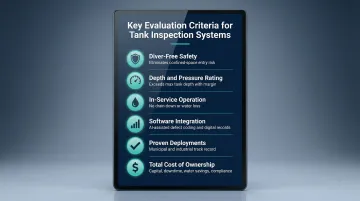
Key evaluation criteria included:
- Eliminates human entry risk and WorkSafeBC compliance burden through diver-free or confined-space-safe design
- Pressure and depth ratings that exceed your maximum tank depth with a defined safety margin
- Keeps tanks online during cleaning — no drain-down, no water loss, no unplanned downtime
- Integrates with inspection reporting software supporting AI-assisted defect coding and digital asset records
- Proven deployments in municipal or industrial settings with accessible service and support networks
- Total cost of ownership that accounts for upfront capital, avoided downtime, water savings, and safety compliance
Ask any shortlisted vendor for documented case studies or client references — specifically ones showing water savings figures, downtime reduction, and safety outcomes from comparable tank types.
Conclusion
The right 2G Engineering alternative should be evaluated against operational goals, not brand recognition. Before shortlisting vendors, assess each provider against three criteria:
- Safety compliance — confined-space elimination and material certifications
- Tank uptime capability — whether inspection and cleaning can happen in-service
- Total cost of ownership — robotic deployment vs. repeated drain-and-clean cycles
Municipal engineering managers and industrial operators should also verify each provider's scalability, support infrastructure, and whether their systems genuinely eliminate diver entry risk.
For facilities seeking a proven, cost-effective robotic solution that keeps water tanks operational during inspection and cleaning, NV Mechanics Design Ltd. delivers purpose-built systems with a track record in British Columbia and beyond. Explore system demonstrations on their YouTube channel or contact their team for deployment planning.
Frequently Asked Questions
What is 2G Engineering and what services does it offer?
2G Engineering is a U.S.-based AS9100-certified manufacturer of subsea actuators, power supplies, battery management systems, and vehicle technology for deep-sea applications. The company serves scientific exploration, energy systems, and marine technology markets—providing component-level subsea engineering rather than turnkey tank inspection or cleaning services.
What are the main alternatives to 2G Engineering for water tank inspection and cleaning?
Top alternatives include NV Mechanics Design Ltd. (pressure-compensated actuators for in-service tank cleaning), Deep Trekker (portable ROVs and vacuum crawlers), VideoRay (confined-space micro-ROVs), and Eddyfi Robotics (modular crawlers). Pipeline specialists such as CUES, Envirosight, and RedZone round out the field for infrastructure inspection.
Can water tanks remain operational during robotic cleaning?
Yes. Advanced robotic systems—such as those from NV Mechanics Design Ltd. and Deep Trekker—are specifically designed to clean tanks while they remain in service, eliminating the need to drain thousands of gallons of water and avoiding operational downtime. Remote-operated equipment performs cleaning operations while water continues to flow, maintaining supply continuity.
How do ROV-based systems compare to diver-based tank cleaning in terms of cost and safety?
ROV systems eliminate confined-space entry risk—the U.S. Bureau of Labor Statistics recorded 1,030 confined-space worker deaths between 2011 and 2018. On the cost side, Deep Trekker reports ROV expenses run 40% of commercial dive team costs, with savings amplified by eliminating tank draining (up to 100,000 gallons per standpipe) and re-filling operations.
What certifications or compliance standards should I look for in an underwater inspection provider?
Prioritize NSF/ANSI 61 for potable water contact materials, WorkSafeBC Part 9 or OSHA 29 CFR 1910.146 if any manned entry is required, and IEC 60529 IP ratings for equipment specifications. Confirm each certification matches your specific application and jurisdiction.
How do I choose the right underwater inspection and cleaning system for my facility?
Start by defining your non-negotiables, then compare platforms against them:
- Tank geometry and access: hatch size, ladder configuration, internal obstructions
- Depth rating: system rating should exceed your maximum operating depth with margin
- Diver-free requirements: confirm regulatory and safety mandates for your jurisdiction
- Total cost of ownership: factor in avoided downtime, water savings, and compliance costs